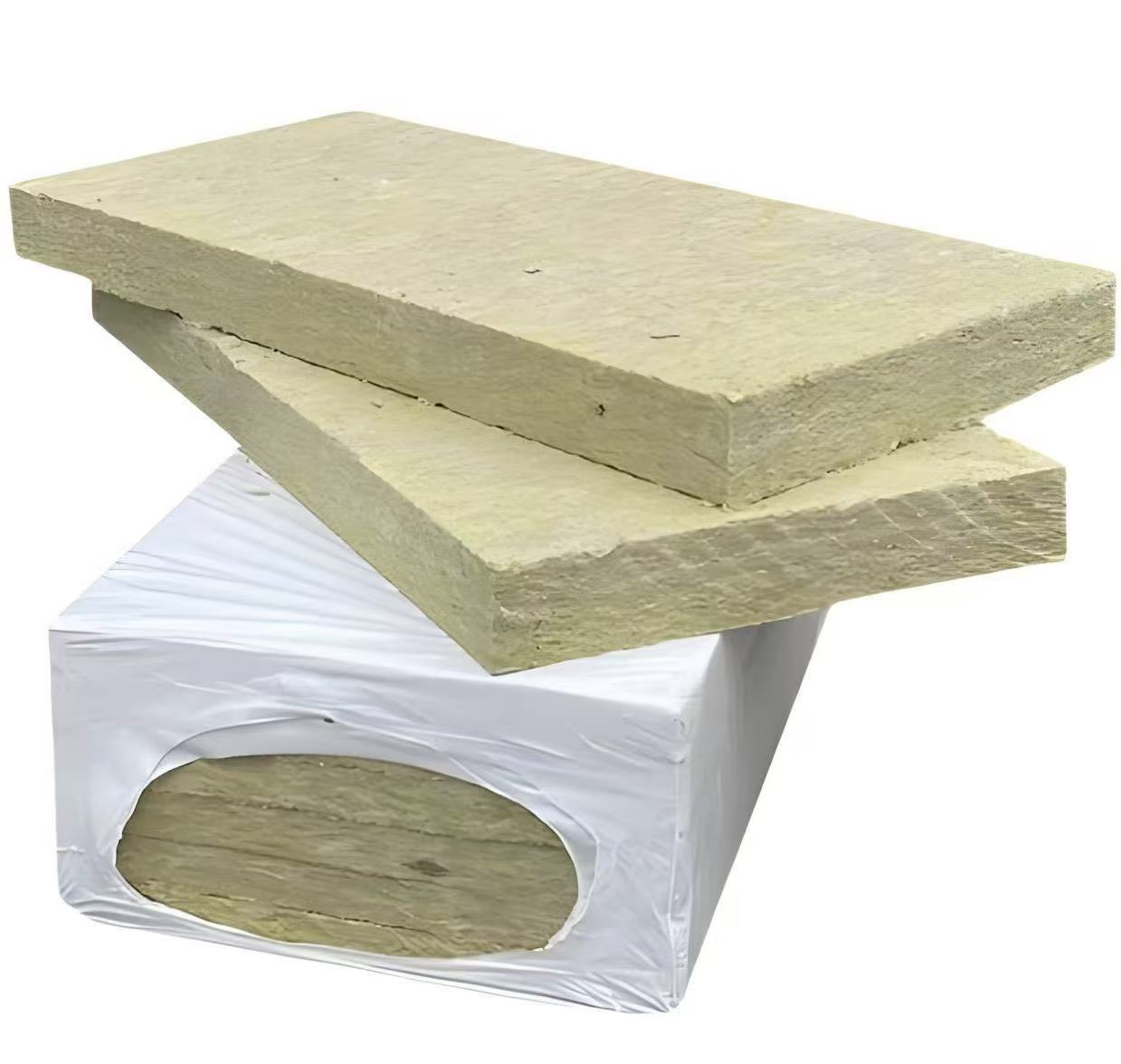
Rockwool, also known as stone wool or mineral wool, stands as one of the most versatile and effective insulation materials in the modern construction industry. Derived primarily from natural basalt rock and recycled industrial byproducts, rockwool offers exceptional thermal insulation, fire resistance, acoustic performance, and durability. Unlike organic insulations that can degrade over time, rockwool withstands extreme temperatures without combusting, melting, or losing structural integrity. Its fibrous structure traps air effectively, reducing heat transfer while providing sound absorption and moisture resistance. These properties make it indispensable for residential, commercial, and industrial buildings, where energy efficiency, safety, and sustainability are paramount.
The journey of rockwool begins with humble geological origins. Basalt, a volcanic rock formed from rapidly cooled lava, serves as the primary raw material due to its abundance and mineral composition rich in silicates. Manufacturers often supplement it with dolomite, diabase, or recycled steel slag from blast furnaces, promoting a circular economy by repurposing industrial waste. This blend not only lowers the environmental footprint but also optimizes the melt's viscosity and fiber quality.
Raw Material Preparation and Charging
The production process starts with meticulous material handling. Trucks deliver crushed basalt stones and slag to the facility, where they are stored under cover to prevent contamination. Enclosed conveyors transport the materials to indoor silos, minimizing dust and ensuring precise control. Automated systems weigh and mix the ingredients according to strict recipes tailored to the desired product density and performance characteristics. Coal or coke may be added as a reducing agent in certain cupola furnaces, while natural gas and oxygen enrich the combustion process. Binders, a non-hazardous resin-based solution, are prepared separately and introduced later. This stage emphasizes closed-loop systems to contain emissions and recycle any preliminary waste.
Environmental considerations play a central role here. Modern plants employ advanced filtration and heat recovery systems from the outset, capturing particulate matter and reusing waste heat to preheat incoming air or warm facility buildings. Water usage remains minimal through closed-circuit cooling, preventing polluted discharges into local ecosystems.
Melting the Raw Materials
Once mixed, the raw batch enters a high-temperature furnace—typically a cupola or electric arc furnace, where temperatures soar above 1,500°C. The intense heat transforms the solid rocks into a molten "lava-like" state, a viscous liquid ready for fiberization. This melting phase consumes significant energy, primarily from natural gas, coal, or electricity, but innovations like oxygen enrichment and heat recovery systems improve efficiency and reduce CO₂ emissions.
The molten material flows continuously from the furnace, with precise control over chemistry ensuring consistent fiber properties. Exhaust gases undergo rigorous cleaning through filters, scrubbers, and incinerators to remove dust, sulfur compounds, and other pollutants before release. This step highlights the industry's commitment to minimizing its environmental impact while maintaining high output volumes.
Spinning and Fiberization
The heart of rock wool production resembles a high-tech version of cotton candy making, but with molten stone instead of sugar. The melt pours onto rapidly rotating spinning wheels or flywheels spinning at thousands of revolutions per minute. Centrifugal force flings the liquid outward through tiny holes or off the wheel edges, drawing it into ultra-thin fibers—often just a few microns in diameter. A powerful air stream or cascade spinning process further attenuates these fibers in a spinning chamber.
During this fiberization, manufacturers introduce small amounts of binding agents (phenolic or similar resins) and de-dusting oils. The binder provides cohesion and mechanical strength, while the oil imparts water-repellent qualities, preventing moisture absorption in the final product. Cooling water and air help solidify the fibers instantly. Recycled cured wool from later stages feeds back into the chamber, creating a highly efficient closed-loop system that reduces raw material needs and waste.
Fibers emerge as a loose, fluffy mat, uniform in distribution thanks to controlled layering on a conveyor or rotating drum. Producers can adjust parameters to create single-density or dual-density products, tailoring them for specific applications like batts, slabs, or boards.
Wool Collection, Curing, and Cooling
The newly formed fibers collect on a perforated conveyor or drum, building up layers to the target thickness and density, typically ranging from 30 kg/m³ for lighter products to over 100 kg/m³ for high-performance slabs. The mat moves forward into a curing oven, where hot airevaporates residual water and polymerizes the binder, locking the fibers into a stable, rigid structure. This curing step calibrates the product's density, compressive strength, and thermal properties precisely.
Following curing, a cooling section uses ambient air to bring the material down to handleable temperatures. Exhaust from spinning, curing, and cooling routes through high-efficiency filters and baghouses, capturing any stray fibers or particulates for recycling. The result is a resilient, non-combustible wool mat ready for further processing.
Cutting, Quality Control, and Recycling
Cooled rockwool undergoes precision cutting into standard sizes, rolls, batts, slabs, or custom dimensions. Automated saws and knives ensure clean edges, with dust collection systems recovering off-cuts immediately. Visual inspection and marking, including branding and compliance labels, occur here to meet building codes for fire rating, thermal conductivity, and acoustic performance.
A dedicated recycling plant granulates non-conforming products or edge trims, feeding them back into the spinning process. This internal loop, combined with the ability to accept clean returned mineral wool from job sites, achieves near-zero waste in optimized facilities. The elasticity of rockwool allows compression during packaging, reducing transport volume and associated carbon emissions.
Sandwich Panel Production
While rockwool often ships as loose slabs or batts for cavity walls, attics, or industrial insulation, a growing segment involves composite products like sandwich panels. These consist of a rockwool core bonded between two profiled metal sheets creating lightweight, high-strength building elements with superior insulation, fire protection, and weather resistance.
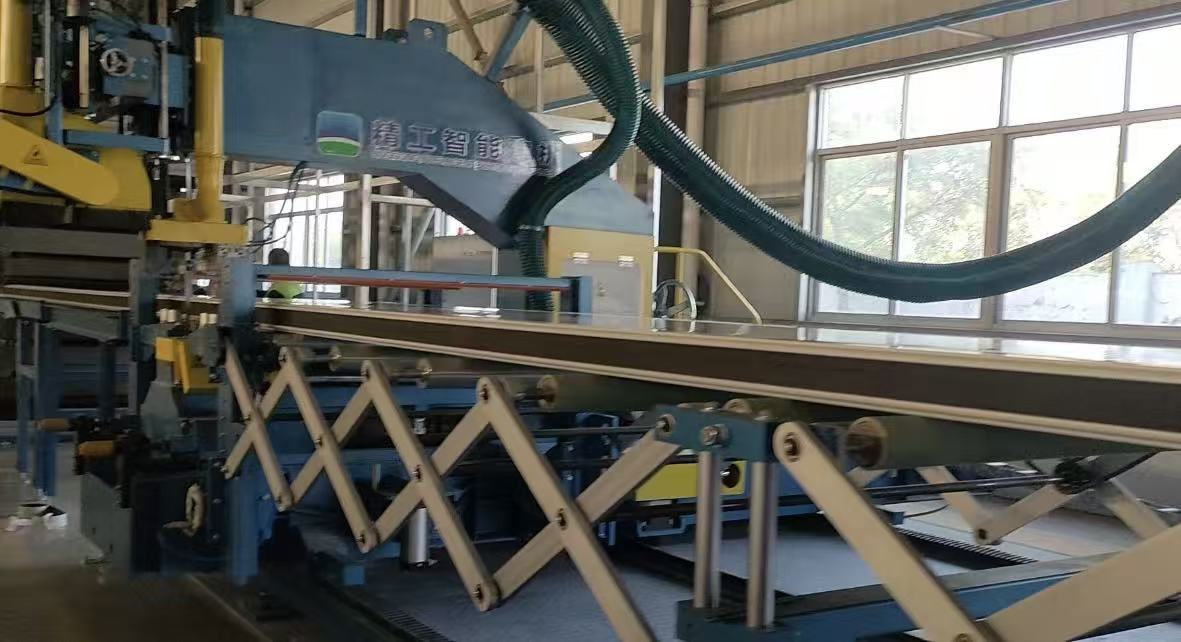
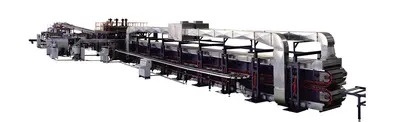
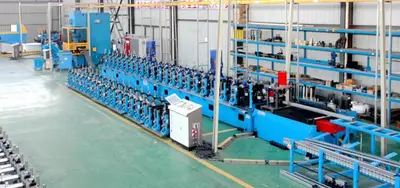
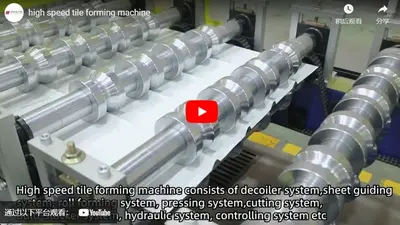
Advanced rockwool machine streamlines this integration. The Rockwool Continuous Sandwich Panel Production Line from Jinggong exemplifies modern automation in this field. This fully integrated system combines mechanical, electrical, hydraulic, and rockwool processing technologies for seamless, continuous production. It begins with decoiling steel coils (0.4–0.8 mm thick), followed by roll forming of upper and lower profiles, including slitting and waste management.
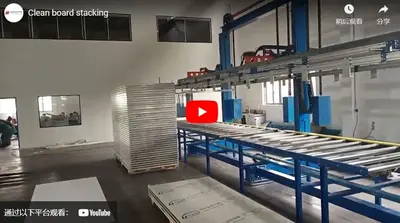
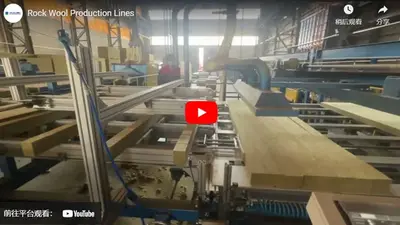
Rockwool fiber, arranged vertically with density ≥70 kg/m³ and lengths over 3 meters, feeds into the line via transfer devices and edge-cutting units equipped with dust collectors. Clamping mechanisms position the core precisely before it enters the laminator host (effective length around 7.5 m), where bonding occurs under controlled pressure and heat. Optional PU side-seal foaming enhances edge integrity, while a double-belt heating system ensures strong adhesion. High-speed bandsaw cutting delivers panels to length (2–15 m), followed by automatic stacking and packaging.
Operating at adjustable speeds of 3–8 m/min, the line achieves high annual capacities while requiring only 5–8 operators thanks to PLC-controlled man-machine interfaces. Features like continuous cut-to-length without stopping, servo drives, and frequency conversion ensure precision and efficiency. The resulting panels suit diverse applications: roof and wall systems for warehouses, cold storage facilities, clean rooms, and decorative facades. They provide excellent thermal performance, fire resistance (rockwool core withstands extreme heat), and structural integrity, making them ideal for energy-efficient and sustainable construction worldwide.
Applications
Rockwool's unique properties drive its widespread adoption. In construction, it insulates walls, roofs, and floors while providing fire barriers in high-rise buildings. Industrial uses include pipe lagging, process equipment, and acoustic enclosures. Sandwich panels accelerate installation for modular buildings, data centers, and agricultural facilities.
Variations in density and thickness, such as 50 mm, 100 mm, or 140 mm slabs, allow customization for thermal, acoustic, or fire-protection needs. Products like high-density boards excel in soundproofing, while lighter versions suit general insulation.
The rockwool production process elegantly converts abundant natural stone into a high-tech insulator through melting, spinning, binding, and curing. From raw basalt to precision-engineered sandwich panels produced on lines like Jinggong's advanced continuous system, each stage reflects engineering ingenuity and environmental stewardship. As global demand for energy-efficient, fire-safe, and sustainable buildings grows, rockwool, backed by automated manufacturing innovations, will play an increasingly vital role. Its ability to recycle, resist mold and moisture, and deliver long-term performance positions it as a cornerstone of green construction in the 21st century.

 CN
CN
 EN
EN
 fr
fr  de
de  es
es  it
it  ru
ru  pt
pt  ar
ar  th
th  pl
pl  ro
ro 


 Call us on:
  Email Us:
  #1809, Jianhu Rd, Keqiao, Shaoxing, Zhejiang, China